


The Community Health Clinic (CHC) is a part of the National Institute of Arthritis and Musculoskeletal and Skin Diseases (NIAMS). NIAMS is an institute of the National Institutes of Health (NIH) that is dedicated to clinical and translational research related to arthritis, musculoskeletal, and skin diseases.
Based at the NIH Clinical Center in Bethesda, Maryland, the CHC focuses on the study of rheumatological diseases.
The CHC is a clinical research site where NIAMS researchers:
- provide rheumatology specialty care.
- gather health information to answer research questions about rheumatic diseases.
- provide scientifically based health information on rheumatic, musculoskeletal, and skin diseases that affect the community.
Thursdays: 8:30 a.m. - 1:00 p.m.
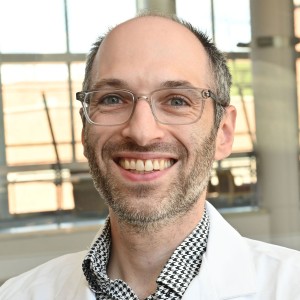
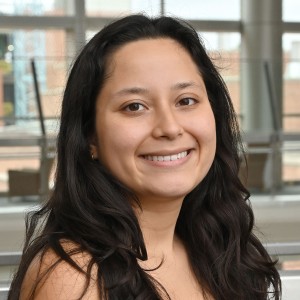
Staff





Prepare for Your Visit
As you prepare to visit the clinic, there are a few things you’ll need to have ready. Here’s a quick list to help you stay organized.
- U.S. Citizens or Lawful Permanent Residents: Valid, government-issued photo ID (e.g., REAL ID Driver’s License, State Identification Card, or Enhanced Driver's License, Passport or Passport Card, HSPD-12 PIV or CAC Card, Permanent Resident Card [green card]) for those 18 years and older. U.S. citizens and lawful permanent residents are not required, but are encouraged to pre-register to avoid wait times at the gate. You may register up to one day before your visit for expedited access. Please speak to your study team to start the registration process.
- If you are a non-U.S. person visitor there is an additional registration process required to access the NIH campus. VisitNIH is mandatory pre-registration process for all non-U.S. visitors to the NIH, requiring completion at least 30 days in advance of their visit. Please speak to your study team to start the registration process. Read important changes to access and entry to the NIH facilities.
- Legal documents (e.g., advance directive/living will, power of attorney, guardianship/custody documents), if applicable.
- List of current medications (name, dosage amounts and frequency).
- Name(s), address(es) and phone number(s) for referring medical professionals to receive information about your visit.
- Extended visitor badge (if you have one).
DO NOT bring valuables, firearms, explosives, archery equipment, dangerous weapons, dangerous knives, narcotics and controlled substances, alcoholic beverages and open containers of alcohol, animals.
Only service animals are allowed at the Clinical Center.
Refer to the Clinical Center Patient Services Web Site for more details on visiting the NIH or use the following resources to assist with planning your visit:
- Visitor Access and Management Initiative (VAMI) (important changes to access and entry to the NIH facilities)
- Download the Patient Handbook (1Mb PDF) for details about your visit and other useful info.
- FollowMyHealth NIH patient portal.
- Metro information is available at the WMATA website.
- Parking details and schedule of free shuttles on campus and from airports and hotels in the region.
- NIHCC Take Me There - The NIH Clinical Center’s way-finding cellphone app.
The above resources, with more details, are summarized on the Patient Information Sheet (1.1Mb PDF).

Please arrive to the NIH Campus at least 45 minutes prior to your first appointment to allow sufficient time to clear security, park your car and complete patient registration.
NIH is a tobacco-free campus.
Smoking is permitted directly outside the campus; exceptions for patient tobacco use may be discussed with your NIH care provider.
For additional assistance, call
Admissions at 301-496-3141
Questions
Where is the CHC located?
The CHC is located inside the NIH Clinical Center, Building 10, Outpatient Clinic 9 (OP9) on the 9th Floor. Instructions for entry into the NIH are below.
Driving
Take the patient entrance located at the intersection of West drive and West Cedar Lane. You will go through a security check. Free parking is available to patients.
Metro Subway
Take the Red Line to “Medical Center” station. The main NIH entrance, Gateway Center, is at the top of the metro escalator. Once you pass through security you can take a shuttle labeled “Campus” to Building 10 North Entrance.
What happens during your visit to the CHC?
We offer standard clinical care for rheumatic condition(s) as part of our research study. You will not receive any experimental drugs or treatments. If you are eligible, you may receive:
• Evaluation of your rheumatic condition(s).
• Blood tests.
• X-rays.
• Disease monitoring and treatment.
Most patients have blood testing done every 2 to 3 months depending on their condition. This is important to make sure that it is safe to continue taking your prescribed medications.
What if you prefer using a language other than English?
You have the right to receive the services of a medical interpreter in the language of your choice. Staff members of the Community Health Clinic are fluent in Spanish, French, Russian, and Urdu. NIH has professional interpretation services on site.
How do you get a refill on your prescriptions?
Please let your provider know at your visit when you need more medications. You can call the Clinic refill line and leave a message at 1-888-465-8208 if you need refills of your medications that we prescribed for you. Please leave your name, phone number, and name of each medication needed and you will receive a call back in 2-3 business days.
How can you view your test results?
You will need to register for an account on the NIH FollowMyHealth Portal. You’ll need an invitation from the Clinical Center to get your account set up. The invitation will be sent to the email address you gave when you registered.
Where can you find more information about your condition?
NIAMS has health information on many rheumatic conditions. There are also condition-specific foundations which offer detailed information and opportunities to connect with other people with the same condition: