


NIAMS is one of 27 Institutes and Centers of NIH, the nation’s premier biomedical research agency. NIH is the steward of medical and behavioral research for the nation. The agency is responsible to Congress and the U.S. taxpayers for carrying out the mission to seek fundamental knowledge about the nature and behavior of living systems and the application of that knowledge to enhance health, lengthen life, and reduce illness and disability in a manner that not only facilitates research but also does so cost-effectively and in compliance with applicable rules and regulations.
The NIAMS organizational structure includes an Office of the Director that provides overall leadership for the institute’s extramural and intramural components. The NIAMS Division of Extramural Research provides scientific management of the largest federal investment on arthritis, musculoskeletal, and skin diseases research conducted at more than 250 locations across the country.2 The NIAMS Division of Extramural Activities is responsible for the areas of overall award administration, including scientific review, grants management, and clinical research oversight activities. The NIAMS Intramural Research Program (IRP), located on the NIH campus in Bethesda, Maryland, conducts high-risk, high-reward, basic, translational, and clinical research in NIAMS mission areas. Additional information about the institute’s disease- and tissue-specific teams and IRP follows.
Division of Extramural Research
Bone Biology and Diseases
The NIAMS Bone Biology and Diseases programs focus on a broad spectrum of basic, translational, and clinical research on bone. Osteoporosis is prevalent among post-menopausal women and older men. It increases risk of fractures, which can have a profound effect on a person’s life expectancy and quality of life. These consequences are greater in some populations, such as non-White women. Understanding the science of bone health and reducing bone fracture incidence will remain important as the U.S. population continues to become older and more racially and ethnically diverse. NIAMS also supports a growing portfolio of rare bone disease research. In addition to providing hope for people who have rare diseases, studies of rare bone diseases aid in expanding the repertoire of fundamental biological knowledge relevant to bone health and to common bone diseases. Through these programs, NIAMS supports studies of risk factors, prevention, diagnosis, and treatment of osteoporosis and other bone diseases. Additional interests include research on bone formation, resorption, and mineralization; the effects of various biological and environmental factors on bone cells, bone homeostasis, bone repair, and bone quality; and structural determinants of bone strength.
Joint Biology and Diseases and Orthopaedics
The Joint Biology and Diseases and Orthopaedics programs are focused on the biology, structure, and function of joints and surrounding tissues and the application of this knowledge to a variety of diseases, including osteoarthritis (OA) and orthopaedic concerns. These programs investigate the interplay among the body’s muscles, bones, tendons, ligaments, and supportive musculoskeletal tissues such as cartilage, intervertebral disc components, and the meniscus through basic, translational, and clinical research. In addition, NIAMS-funded research through these programs also focuses on regenerative medicine and tissue engineering to facilitate the repair of damage caused by trauma to otherwise healthy tissue; molecular biology to understand the mechanisms of joint tissue formation and possible defects; imaging to improve diagnosis and treatment of orthopaedic disorders; and clinical research focused on treatment and prevention of acute orthopaedic injuries and chronic orthopaedic conditions, including musculoskeletal pain.
Muscle Biology and Diseases

The NIAMS Muscle Biology and Diseases programs focus on basic, translational, and clinical research on the biology and disorders of skeletal muscle. The research covers muscle development, growth, and maintenance; function of muscle contraction; structural biology of the contractile apparatus; mechanisms of muscle diseases and disorders; biomarkers and outcome measures for clinical and preclinical studies; and natural histories of muscle conditions. These programs also support development and testing of therapies for muscle diseases and disorders, including those that are acquired and inherited.
Muscular dystrophies are an area of emphasis within the NIAMS muscle research portfolio. NIAMS participates in the Muscular Dystrophy Coordinating Committee (MDCC), which includes 18 partners from federal and private organizations and individuals with lived experiences. The National Institute of Neurological Disorders and Stroke (NINDS), the Eunice Kennedy Shriver National Institute of Child Health and Human Development (NICHD), and the National Heart, Lung, and Blood Institute (NHLBI) are among the federal entities that participate, and NIAMS works closely with them to ensure that the institute funds complementary, but not duplicative, research. The MDCC is developing a new 2025 Action Plan for the muscular dystrophies that, like the Plan published in 2015, will include input from experts in the fields of muscular dystrophy pathophysiology, diagnosis, treatment, and those with lived experiences. When available through the MDCC website, the Plan will lay the groundwork for needs related to disease mechanisms, preclinical therapy development, clinical studies, and enhancement of quality of life. The Action Plan working groups are addressing these four areas to identify the highest priorities for the communities.
Rheumatic and Systemic Autoimmune Diseases
The Rheumatic and Systemic Autoimmune Diseases programs focus on the causes of rheumatic, autoinflammatory, and systemic autoimmune diseases and potential new approaches to manage, treat, and prevent them. Diseases and conditions in this area include, but are not limited to, inflammatory arthritis such as rheumatoid arthritis (RA), systemic lupus erythematosus (SLE; lupus), Sjögren’s disease, inflammatory myositis, gout, vasculitides, scleroderma, and fibromyalgia in adult as well as pediatric populations. These programs support basic, translational, and clinical research, including clinical trials. Broad research directions encompass mechanisms of disease, target organ damage, functional genomics and epigenetics, pain studies, epidemiological and health services research, and behavioral and biopsychosocial research. Many rheumatic and systemic autoimmune diseases disproportionately affect women and members of ethnic and racial minority groups. Despite the largely unknown underlying causes for these disparities, which affect disease outcomes, prognosis, and management, progress is occurring in understanding these causes and translating that knowledge into effective treatments. NIAMS-funded research has led to the development of innovative biologic therapies that have improved outcomes and quality of life for many patients. Research in this area will continue to develop effective and personalized treatment approaches through improved understanding of rheumatic and systemic autoimmune diseases.
Skin Biology and Diseases

NIAMS Skin Biology and Diseases programs support basic, translational, and clinical research into common and rare skin diseases. This includes investigations of the molecular, cellular, and developmental biology and immunology of normal and diseased skin. The programs also support studies of skin as a barrier and an immune, sensory, endocrine, and metabolic organ. Advances in basic skin research continue to be the foundation for improving skin health and the driving force for innovation in combating diseases affecting skin and skin appendages, such as hair and nails. The programs also support research on wound healing, autoimmunity, inflammation, and chronic itch in acquired and heritable diseases, with a focus on basic biology and translating fundamental research findings into novel diagnostic tools, effective therapeutics, and cost-saving disease management.
Understanding skin biology in the context of whole-body physiology is of critical importance. Increasing evidence suggests that skin homeostasis, regeneration, and diseases are modulated by the immune, nervous, vascular/lymphatic, and endocrine systems, stem cell populations, circadian rhythms, and the resident microbiome. Studying interactions between skin and other organs is therefore crucial for advancing knowledge of skin health and diseases. Further, existing disparities in multiple skin diseases and demographic changes in the United States both require a better understanding of biological mechanisms and improved prevention and treatment in people with understudied skin types. Such efforts require multidisciplinary collaborations, including leveraging the use of data science, computational models, and AI, to invigorate and enrich the skin research field.
Intramural Research Program (IRP)
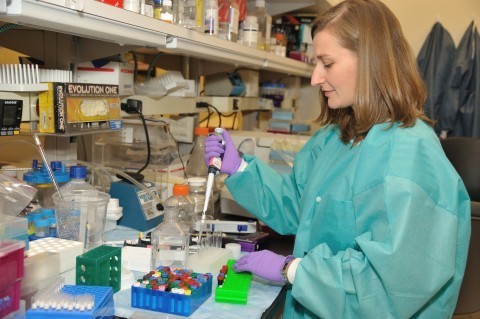
The NIAMS IRP is located on the NIH campus in Bethesda, Maryland. Investigators, staff, and trainees in the NIAMS IRP conduct basic, translational, and clinical research on the immune system, bones, joints, muscles, and skin. They develop novel diagnostic tools to analyze these systems and evaluate new treatments for the diseases that affect them. The NIAMS IRP is firmly grounded in excellent basic science research and technology, along with wide-ranging successful collaborations with exceptional clinicians and scientists at NIH, as well as with outstanding extramural collaborators throughout the nation and around the world. One of the NIAMS IRP’s special strengths is its tradition of excellence in long-term, high-risk research into the genetics and pathophysiology of human disease and the development of innovative therapies for several serious autoimmune or autoinflammatory disorders for which satisfactory treatments previously did not exist.
The IRP also has several distinctive characteristics, including a concentration of interactive outstanding investigators in a collaborative atmosphere with fluid boundaries between basic, translational, and clinical research; a longstanding culture of mentoring trainees at all levels; and a rich environment for training physician-scientists thanks to the presence of basic, translational, and clinical researchers; and exceptional research resources, particularly the NIH Clinical Center. The NIH Clinical Center reduces barriers to participation in clinical studies, which facilitates research on patient populations that are difficult to recruit, such as healthy volunteers to study normal physiology and individuals with rare genetic diseases. Importantly, discoveries from patients with rare disorders are often generalizable to more common conditions and substantially improve our understanding of basic pathophysiologic mechanisms. Collectively, these exceptional characteristics and resources enable the NIAMS IRP to make unique contributions to advance the NIAMS mission on all levels, from basic discoveries to identification of new diseases and novel therapies.
2FY 2023 data accessed June 24, 2024, from Research Portfolio Online Reporting Tools (RePORT).