


Tamara N. Alliston, Ph.D.
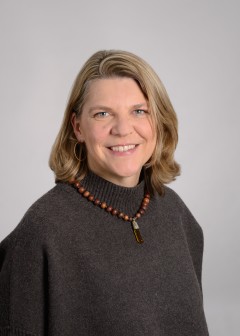

Tamara N. Alliston, Ph.D., is the NIAMS Scientific Director of Intramural Research and leads the NIAMS Intramural Research Program (IRP). Along with planning, coordinating, and directing the scientific research programs of the NIAMS IRP, her key responsibilities include recruiting and retaining world class investigators and charting the future direction of IRP research.
Prior to joining NIAMS, Dr. Alliston was Professor in the Department of Orthopaedic Surgery at the University of California, San Francisco (UCSF). She earned an undergraduate degree in Biology from Trinity University in San Antonio, Texas, and a doctoral degree in Cell Biology from Baylor College of Medicine. She received the Arthritis Foundation Hulda Irene Duggan Arthritis Investigator Award to pursue her post-doctoral research at UCSF.
At NIAMS, Dr. Alliston will lead an independent research program to identify multi-scale mechanisms of skeletal disease in order to advance the development of new therapeutic strategies. This work builds on the accomplishments of her laboratory over the past twenty years investigating the crosstalk of biochemical and physical cues in the skeleton. Most recently, her group uncovered new roles for osteocytes in the control of skeletal fragility and arthritis, including in aging and diabetes. She received the Adele L. Boskey Esteemed Award for Bone and Mineral Research from the American Society for Bone and Mineral Research (ASBMR), recognizing her outstanding scientific contributions, and was elected as a Fellow of the American Institute for Medical and Biological Engineering (AIMBE).
Dr. Alliston brings unique experience in programmatic science leadership within and beyond musculoskeletal research, including as the inaugural Director of the UCSF Musculoskeletal Center and the Director of the NIH P30-supported UCSF Core Center for Musculoskeletal Biology and Medicine (CCMBM), which aims to better understand mechanisms of musculoskeletal disease and to develop novel strategies to improve clinical outcomes by building community among basic and clinical investigators.
Another major theme of her leadership efforts is the development of the next generation of scientists and leaders. Dr. Alliston brings perspective as a former leader and faculty member of several NIH-supported graduate and post-doctoral training programs. She was the inaugural Chair of the Orthopaedic Research Society (ORS) Professional Development Council and serves as a Council member for the American Society for Bone and Mineral Research in her personal capacity. Her achievements have been recognized with the ORS Outstanding Achievement in Mentoring Award and the ORS Women’s Leadership Award.