


Contact Information
Media Resources
High Resolution Image
Summary
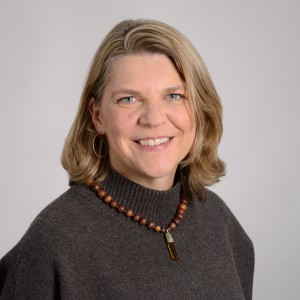
Tamara N. Alliston, Ph.D., is the NIAMS Scientific Director and leads the NIAMS Intramural Research Program (IRP). In addition to planning, coordinating, and directing the NIAMS IRP's basic and scientific research programs, Dr. Alliston's key responsibilities include recruiting and retaining world-class investigators and charting the future direction of IRP research.
Before joining NIAMS, Dr. Alliston worked in progressively senior positions at the University of California San Francisco (UCSF), most recently as a Professor in the Department of Orthopaedic Surgery. At NIAMS, she leads an independent research program to identify multi-scale mechanisms of skeletal disease, which will build on the accomplishments of her laboratory in cell and tissue mechanobiology over the past twenty years.
Research Statement
My research studies the crosstalk between biochemical and physical cues in the skeleton. We identified mechanisms by which growth factors and transcription factors cooperate to direct skeletal cell differentiation and then showed that these pathways also specify key physical properties of the extracellular matrix and bone quality. We apply our expertise in studying TGFβ signaling to investigate the interaction between physical and biochemical signals in the control of skeletal cell function and the role of these pathways in skeletal disease using in vitro, in vivo, and computational models.
Currently, we focus on the role of osteocytes in mechanometabolic coupling, whereby this head-to-toe network of mechanosensory cells balances energy intake and utilization to maintain metabolic and mechanical homeostasis. With a background that spans endocrinology, skeletal mechanobiology, and materials science, our research spans from the molecular to the organismal length scale.
We embrace the creative use and development of new methods with the goal of understanding the role of musculoskeletal tissues in health, aging, and disease.