


Image
Contact Information
Summary
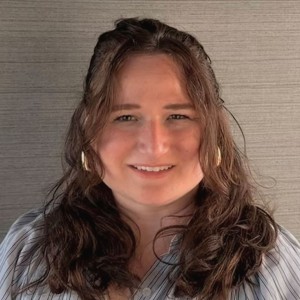
Sarah A. Blackstone is an MD/PhD trainee at the University of South Dakota Sanford School of Medicine and a postdoctoral fellow in NIAMS. She received her BS in Cellular and Molecular Biology, cum laude, from the University of South Florida, where she began her research training in cancer biology and immunology. Prior to her graduate studies, she worked at the NIH as a post-baccalaureate fellow, investigating cytokine signaling in immune dysregulation, including studies demonstrating how haploinsufficiency of A20 alters JAK-STAT signaling and predicts response to JAK inhibition.
She completed her PhD in 2026 in the laboratory of Dr. Dan Kastner in the National Human Genome Research Institute (NHGRI), where her work focused on the genetic and mechanistic basis of immune dysregulation. Here, she played a key role in the discovery of STAT4 gain-of-function variants that cause a severe form of scleroderma responsive to JAK inhibition, leading to a co-first-author publication in the New England Journal of Medicine.
She plans to return to medical school in 2027 to complete her clinical training, with the long-term goal of leading a translational research program bridging clinical medicine and mechanistic immunology to improve the diagnosis and treatment of immune-mediated and fibrotic diseases.
Research Statement
Fibrotic disease represents a major clinical burden, with limited disease-modifying therapies and poorly understood mechanisms. Scleroderma is a prototypical fibrotic disorder characterized by progressive tissue fibrosis and immune dysregulation, in which normal, functional tissue is replaced by stiff, nonfunctional connective tissue, resulting in organ dysfunction. While most cases are thought to result from a complex interplay between genetic susceptibility and environmental triggers, the precise molecular pathways that drive tissue-specific fibrosis remain poorly understood.
My research focuses on defining the genetic and mechanistic basis of fibrotic-inflammatory disease by studying rare, monogenic disorders that affect the JAK-STAT signaling pathway. By integrating genomic sequencing with functional studies in patient-derived cells and in vitro model systems, I aim to identify causal variants and determine how perturbations in cytokine signaling drive tissue-specific inflammation and fibrosis. This work seeks to uncover fundamental principles of immune-mediated fibrosis and to inform targeted therapeutic strategies for both rare and more common fibrotic diseases.
Scientific Publications
Education
University of South Florida
B.S. in Cellular and Molecular Biology (2017)
University of South Dakota, Sanford School of Medicine
M.D./Ph.D. (2020-present) - M.D. in progress, Ph.D. conferred Dec 2025