


Resources

Clinical Care and Research
Explore clinical studies and research for diseases of the immune system, bones, joints, muscles, and skin.
Core Facilities
Learn about our state-of-the-art instruments and technologies that support and assist our labs.
Training and Career Development
Explore customized training programs to advance your career and enhance your research skills.


Research Image Gallery


In the Lab with NIAMS: Core Facilities
Image

This YouTube video series highlights the tools and services provided by the NIAMS IRP Core Facilities. These include powerful microscopes, advanced sequencing technologies, consultation, training, and data analysis services.
Scientific Advances
Selected recent highlights of NIAMS intramural research:
News from Labs @ NIAMS

Kaplan Discusses Link Between Lupus and Early Cardiovascular Disease Risk
NIH Record stories |
Kaplan Explores Cardiovascular Risks in Autoimmune Diseases
NIH Record stories |
Creating Building Blocks for Muscle Regeneration
NIAMS-Related Article |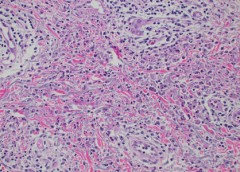
Skin Features Provide an Early Clue to the Diagnosis of VEXAS Syndrome
Spotlight on Research |Events

ACR Convergence
Scientific Conference | -